Marketing, Brands & Media
The Best Job in The World
First published in LinkedIn on December 12, 2017. Read it on the original site.
The following lines are not a fictitious advertisement or a marketing ploy but rather, part of a job advertisement published by the Australian government for a vacancy in the Queensland Tourism Department in Australia:
The title of advertisement: The Best Job in the World.
The job title: A Caretaker of The Islands of the Great Barrier Reef
Location: The Islands of the Great Barrier Reef in Queensland-Australia.
Required expertise: None.. Everyone can apply.
Salary: $118 thousand for a six-month contract.
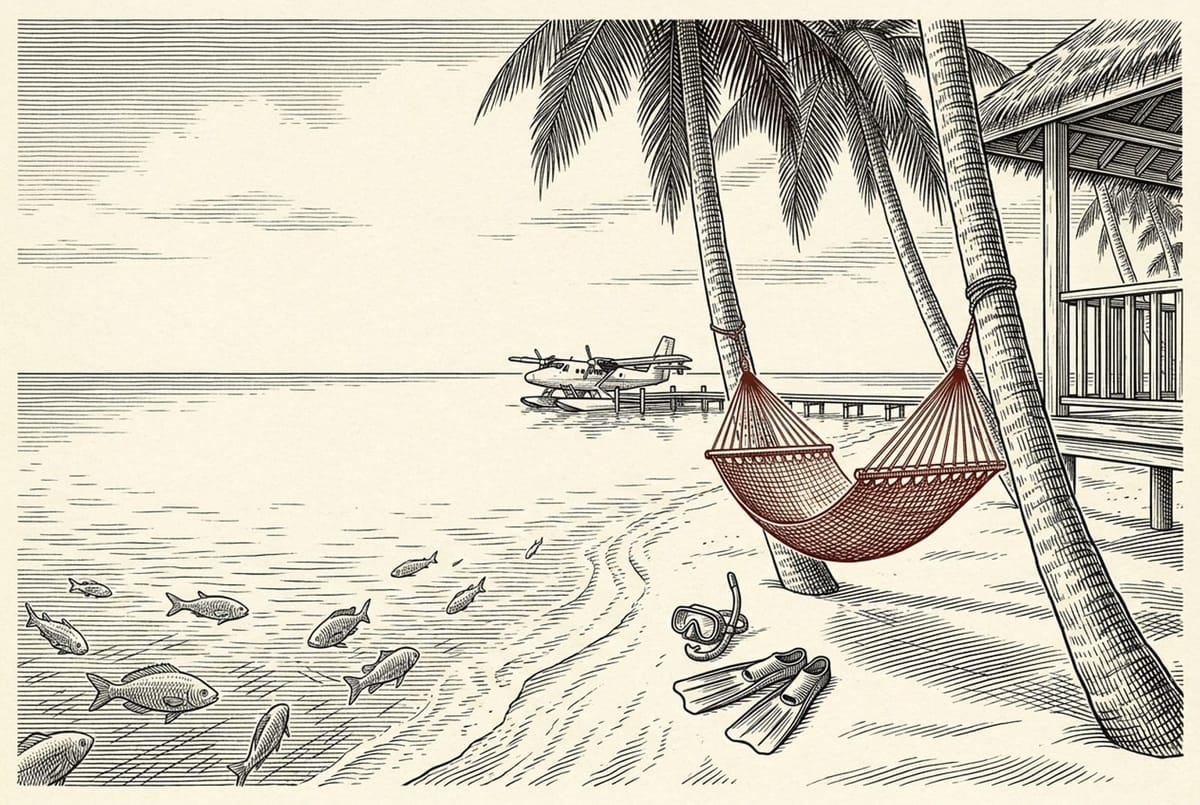
Housing allowance: A luxury villa on the beach will be provided to the employee and his/her family.
Transportation allowance: A private jet will be provided for the movements of the employee and his/her family.
Job assignments:
-
Visiting and navigating the most beautiful islands of the Great Barrier Reef.
-
Swimming with the fish and feeding them (there are more than 1400 species of fish in the reef but don’t worry, we won’t ask you to feed them all).
-
Cleaning the aquarium in the villa.
-
Collecting the mail of fans.
To apply: Please shoot a video of yourself and upload it to the contest website.
This advertisement appeared on a cold morning of January 2009 to ignite the winter of that year. Britain, Germany, America, Japan, New Zealand, India, China, and many other countries. Within 24 hours, the advertisement went viral on more than 200 thousand websites: BBC, Sunday Times, Sky News, CNN Canada TV and other media started to wonder about this amazing job vacancy and whether this is just a hoax.
The Chief Executive Officer of Queensland Tourism Department appeared wearing a short and a light shirt when he hosted the media in order to respond himself to their questions and let them see themselves the magnificence of the islands of the Great Barrier Reef and how tempting this job position is. The advertisement spread more and more urging the campaign managers to double the number of campaign staff five times. Furthermore, they moved from having a simple website to devoting an integrated information center which received more than 35 thousand applicants from more than 200 countries around the world.
But how did it all start?
Let’s go back together to the year 2008, when the Queensland Tourism Department faced a unique challenge. In fact, Queensland has the largest and the most famous coral reef in the world that extends over 2300 Km and known far and wide by all lovers of scuba diving and marine sports around the world. However, what this broad audience does not know and visit is the 600 picturesque islands around this ridge, which have some of the most beautiful beaches in the world. Promoting tourism in these islands means to provide thousands of job opportunities for Australians and revive the local economy through tourism revenues.
However, marketing these islands in a global tourism market that is mainly packed with closer and cheaper choices, is almost economically impossible. From here the idea of “the best job in the world” was emanated, all countries are telling people about the beaches of these islands and we tell people about their dreams. This is how the idea of “the best job in the world” was born, an idea that ignited a fire in the hearts of more than 50 million people around the world and made the Islands of the Great Barrier Reef in Queensland one of the most famous marine tourism site within just three years. On May 6th, 2009, millions around the world witnessed solemn competitions during which the British Ben Southall won the best job in the world. The world eagerly followed Southall’s diaries documenting his experiences performing the best job in the world through more than 40 videos and 2000 photos which he published in more than 60 blogs, 1000 tweets, and 450 press interviews. To obtain similar results using traditional marketing methods, the Queensland tourism administration would need to spend over $320 million but actually, all it spent over three years to promote tourism in its islands did not exceed $4 million to achieve spectacular results.
In your opinion, how can we benefit from such an experience in marketing the vision of the Kingdom 2030?